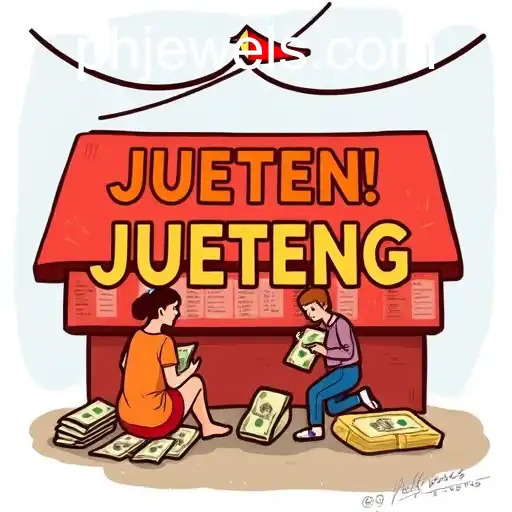
Understanding Jueteng: A Deep Dive into Its Impact and Presence
Introduction to Jueteng
Jueteng is a popular numbers game that has its roots in the Philippines. Despite being illegal, it remains deeply embedded in Filipino culture and society. The game thrives due to its simplicity and the promises of quick monetary rewards. Jueteng operates outside the law but within many communities as a widely accepted pastime and source of income.
The Mechanics of Jueteng
Jueteng is essentially a numbers game where bettors select a combination of two numbers usually between 1 and 37. After bets are placed, two sets of numbers are drawn randomly. Those who have chosen the winning combination are rewarded with cash prizes, making the allure of jueteng recognizable across all societal classes within the Philippines.
The simplicity of the game and easy accessibility have made it a staple in both urban and rural communities. Unlike other gambling games that require expensive materials or venues, jueteng thrives on its straightforwardness which requires no more than the presence of a betting slip and an eager bettor.
The Societal Impact of Jueteng
Jueteng, although illegal, ballooned into widespread notoriety partly due to its perceived role as a social equalizer. The minimal entry cost allows individuals from all economic backgrounds to participate, offering a rare chance of windfalls for poorer communities. Many see it as an opportunity to rise out of poverty, albeit temporarily.
Despite its potential for gain, jueteng is, at its core, a form of gambling. Stories of lives devastated by gambling addiction are not uncommon, punctuating the socio-economic landscape of the Philippines. The addictive nature of the game traps players in cycles of hope and despair, contributing to familial and societal disruption.
Jueteng and Corruption
Jueteng’s survival and rapid expansion over decades have been facilitated by systemic corruption. It is an open secret that authorities and political figures often benefit financially from turning a blind eye to its operations. Allegations of bribery and corruption related to jueteng have surfaced multiple times in Philippine history, implicating high-profile officials in scandal.
This endemic corruption not only perpetuates the existence of jueteng but also shackles local governance in its efforts to eradicate it. The financial infusion from jueteng provides corrupt officials with a convenient stream of revenue, ensuring its continuous cycle in the socio-political structure of the Philippines.
Jueteng and Online Alternatives: The Role of PHJEWEL.COM
With the advancement of technology, digital platforms are increasingly exploring the domain traditionally dominated by physical operations of games like jueteng. PHJEWEL.COM represents a facet of this transition, with digital platforms providing a framework reminiscent of traditional betting games but within a legal ambit.
Such platforms offer a more controlled and regulated space compared to the traditional jueteng setup, promising transparency and accountability. However, this also underscores a potential transformation in how games of chance are engaged with and conceptualized in rapidly modernizing societies.
Why Jueteng Persists
Understanding why jueteng persists involves an exploration of various socio-economic factors. For one, it appeals to the basic human thrill of risk and reward, amplified in cases where day-to-day financial security is uncertain. This, tied with entrenched cultural ties and traditional acceptance within communities, makes eradication efforts difficult.
Furthermore, jueteng’s tenacity is rooted in the socio-political environment of the Philippines. Despite numerous efforts and legislative measures to curb its existence, the game adapts, often aided by players in positions of power who benefit from its continued prevalence.
The Role of Community in Jueteng Operations
The operation of jueteng involves intricate networks where collectors, coordinators, and operators work symbiotically to keep the game thriving. Within neighborhood blocks, small communities act as pivotal conduits for bet collection and dissemination. This local involvement creates a socially complex web where each participant plays a key role, much like in a well-oiled machine.
Despite its illegality from an overarching legal perspective, communities do not operate in a vacuum; jueteng provides economic incentive and jobs. The integration into daily life highlights a significant factor in the resilient operation of jueteng within Philippine society.
Concluding Remarks: The Future of Jueteng
As technology continues to evolve and legal gambling channels attempt to offer regulated environments like PHJEWEL.COM, the future of traditional gambling games like jueteng remains uncertain. However, its ingrained presence within cultural and economic facets suggests that any significant shift away from jueteng would require addressing the underlying economic and political conditions that allow it to thrive.
The road ahead involves a complicated balance between maintaining cultural heritage, addressing economic desperation, and enforcing legal frameworks. As stakeholders explore these crossroads, the conversation surrounding jueteng continues to be both contentious and critical.